Missed doses, incorrect timing, and medication mix-ups are among the most common safety concerns for seniors living at home. Anew Care Living provides structured medication management in West Hills, CA, giving families peace of mind that prescriptions, over-the-counter medications, and supplements are being taken correctly and on schedule. Our caregivers work closely with each client to build a routine around medication management that fits naturally into their day rather than feeling like an added burden. For many West Hills families, medication management becomes a concern after a hospital discharge, a new diagnosis, or simply because a loved one is managing multiple prescriptions from different doctors. Anew Care Living steps in to reduce the risk of errors while keeping clients as independent as possible.
Request a medication management consultation with Anew Care Living.
Nutritious Home-Cooked Meals in West Hills, CA
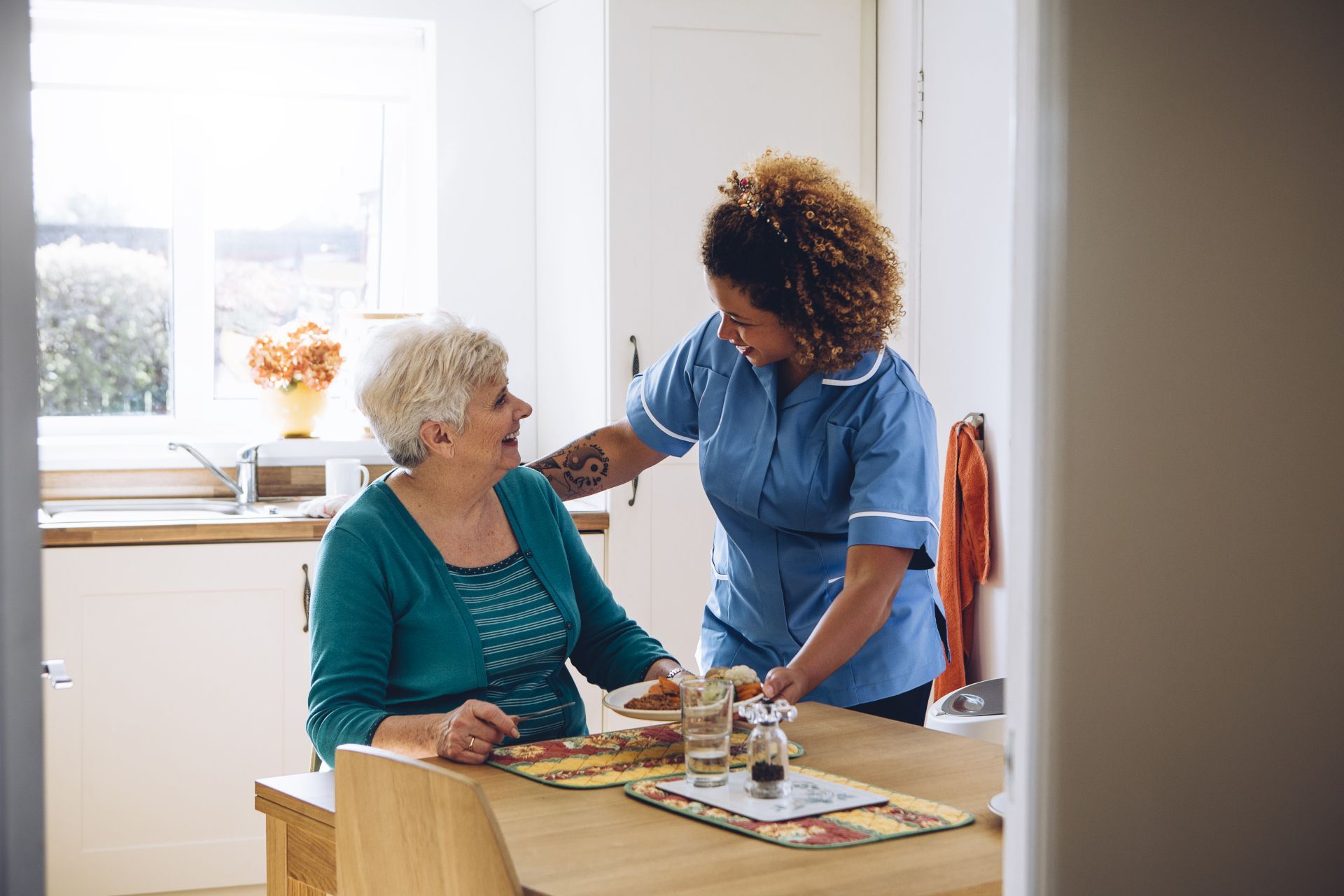
Proper nutrition plays a major role in a senior's overall health, energy, and recovery from illness. Anew Care Living provides three nutritious, home-cooked meals daily, plus snacks, for clients in West Hills, CA, with each meal planned around the client's dietary needs, preferences, and any medical restrictions. Our caregivers understand that mealtime is about more than nutrition — it's a routine that brings structure and comfort to a client's day. Home-cooked meals prepared specifically for each client help address common concerns like poor appetite, unintentional weight loss, or difficulty managing dietary restrictions related to diabetes, heart disease, or kidney conditions. West Hills families trust Anew Care Living to make sure their loved one is eating well every single day.
What Home-Cooked Meal Service Includes
Three nutritious, home-cooked meals daily, plus snacks, means caregivers plan, prepare, and serve meals based on a client's specific dietary needs and taste preferences. This includes breakfast, lunch, dinner, and snacks throughout the day to maintain steady energy and prevent long gaps between meals.
Breakfast, Lunch, and Dinner Preparation
Meals are cooked fresh using ingredients the client enjoys, with attention to portion sizes and nutritional balance appropriate for their health needs.
Snack Planning
Snacks are provided between meals to help manage blood sugar levels, prevent hunger-driven irritability, and support overall energy throughout the day.
Dietary Restriction Management
Caregivers prepare meals that accommodate restrictions such as low-sodium, diabetic-friendly, low-fat, or texture-modified diets when needed.
How Meals Are Personalized for Each Client
Every client receiving three nutritious, home-cooked meals daily, plus snacks, starts with a discussion about food preferences, allergies, cultural dietary practices, and any physician-recommended restrictions. Caregivers use this information to build a rotating meal plan that keeps meals varied and appealing.
Accommodating Cultural and Personal Preferences
Meals reflect each client's individual tastes and cultural background, making mealtime familiar and enjoyable rather than clinical.
Monitoring Appetite and Intake
Caregivers track how much a client is eating and report any noticeable appetite changes to families, since reduced intake can be an early sign of health issues.
Coordination with outside healthcare providers reduces the risk of miscommunication that can lead to conflicting treatment plans or missed follow-up care. West Hills clients managing multiple conditions often see a primary care physician along with specialists like cardiologists, neurologists, or physical therapists. Without coordination, important details can get lost between visits.
Anew Care Living caregivers act as an extra set of eyes and ears, noticing changes in a client's condition that might not come up during a brief appointment but are important for a physician to know.
Request coordinated care support for an upcoming medical appointment.
Why Home-Cooked Meals Matter for Senior Health
Three nutritious, home-cooked meals daily, plus snacks, directly support a client's physical health, cognitive function, and mood. Poor nutrition among seniors is linked to increased risk of falls, slower recovery from illness, and cognitive decline, which is why consistent, well-balanced meals are treated as a core part of daily care rather than an afterthought.
West Hills clients managing chronic conditions particularly benefit from home-cooked meals tailored to their exact dietary needs, since pre-packaged or generic meal options often fail to account for individual restrictions or preferences.
Request a nutrition assessment as part of your loved one's care plan.

Setting up coordination with outside healthcare providers begins with identifying all current physicians, specialists, and healthcare services involved in a client's care. Anew Care Living then establishes a communication process to keep everyone informed and aligned.
Contact Anew Care Living to coordinate care with your loved one's providers.
Getting Started with Home-Cooked Meal Service in West Hills
Setting up three nutritious, home-cooked meals daily, plus snacks, begins with a discussion about dietary needs, restrictions, and preferences. Anew Care Living then builds a personalized meal rotation that caregivers prepare fresh each day.
Contact Anew Care Living to arrange meal planning for a loved one in West Hills.
Frequently Asked Questions
What is included in three home-cooked meals daily, plus snacks?
It includes fresh breakfast, lunch, and dinner preparation along with snacks throughout the day, tailored to the client's dietary needs and preferences.
Can meals be prepared for specific dietary restrictions?
Yes. Caregivers prepare meals accommodating restrictions such as diabetic-friendly, low-sodium, low-fat, or texture-modified diets.
How does nutrition affect senior health and recovery?
Proper nutrition supports immune function, energy levels, and cognitive health, and plays a key role in recovery from illness or surgery.
Are meals customized to personal taste preferences?
Yes. Caregivers build meal plans around each client's individual preferences, including cultural or religious dietary practices.
What happens if my loved one has a poor appetite?
Caregivers monitor food intake and report appetite changes to families, which can be an early indicator of underlying health issues.
Can snacks be adjusted for clients with diabetes?
Yes. Snacks are planned to help manage blood sugar levels appropriately for clients with diabetes or other metabolic conditions.
Do caregivers grocery shop for meal ingredients?
Meal planning typically includes coordinating grocery needs to ensure fresh ingredients are available for each day's home-cooked meals.
Can meal plans change if dietary needs change?
Yes. Meal plans are adjusted whenever a physician recommends new dietary restrictions or a client's nutritional needs change.
Is meal preparation included with other care services?
Yes. Home-cooked meal service is typically integrated with other daily care services like medication management and mobility assistance.
How are cultural dietary preferences accommodated?
Caregivers incorporate familiar recipes and ingredients reflecting a client's cultural background into the meal rotation.
Can home-cooked meals help with weight management?
Yes. Portion-controlled, nutritionally balanced meals help address both unintentional weight loss and weight management concerns in seniors.