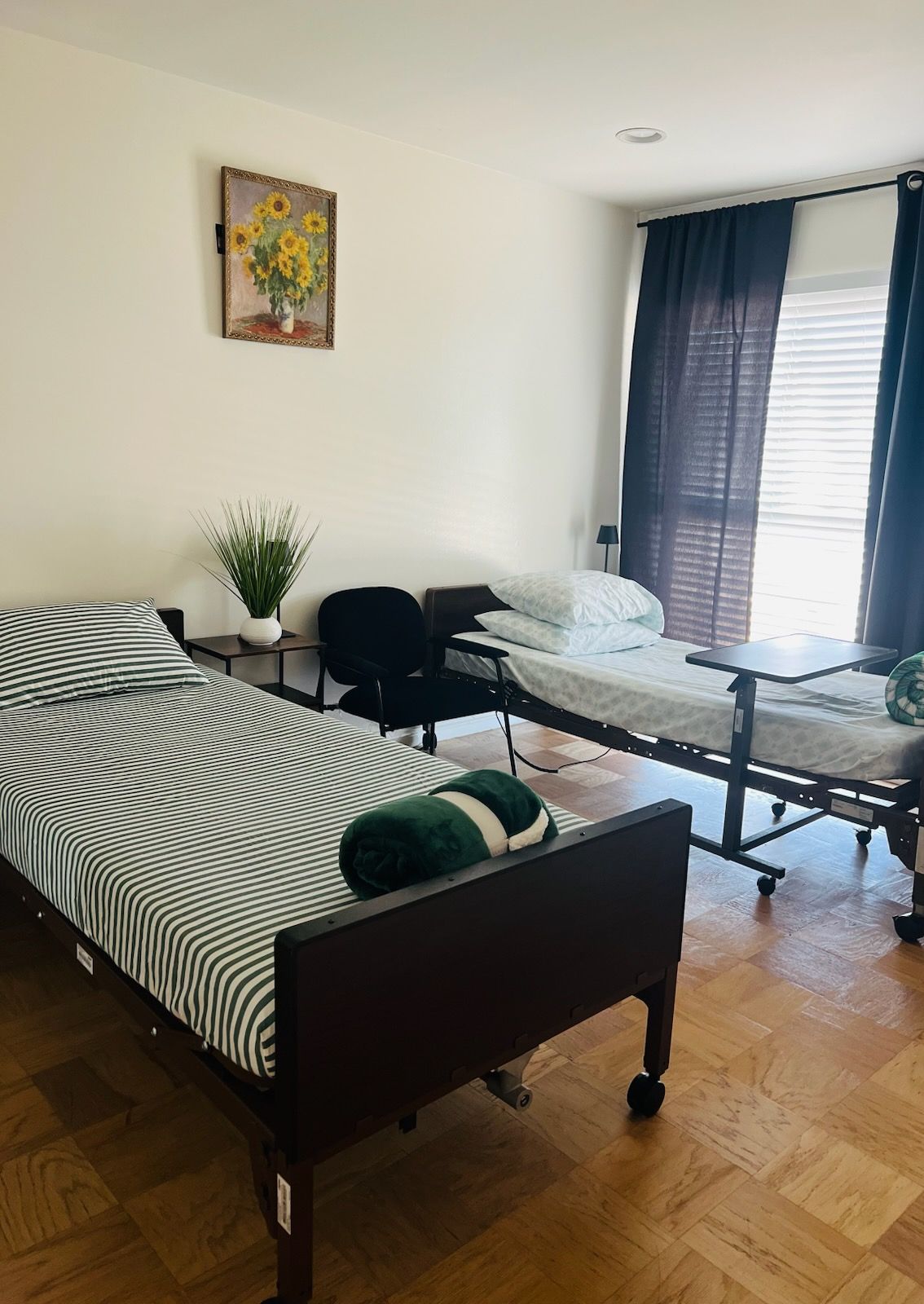
Missed doses, incorrect timing, and medication mix-ups are among the most common safety concerns for seniors living at home. Anew Care Living provides structured medication management in West Hills, CA, giving families peace of mind that prescriptions, over-the-counter medications, and supplements are being taken correctly and on schedule. Our caregivers work closely with each client to build a routine around medication management that fits naturally into their day rather than feeling like an added burden. For many West Hills families, medication management becomes a concern after a hospital discharge, a new diagnosis, or simply because a loved one is managing multiple prescriptions from different doctors. Anew Care Living steps in to reduce the risk of errors while keeping clients as independent as possible.
Request a medication management consultation with Anew Care Living.
Social, Recreational, and Spiritual Activities in West Hills, CA
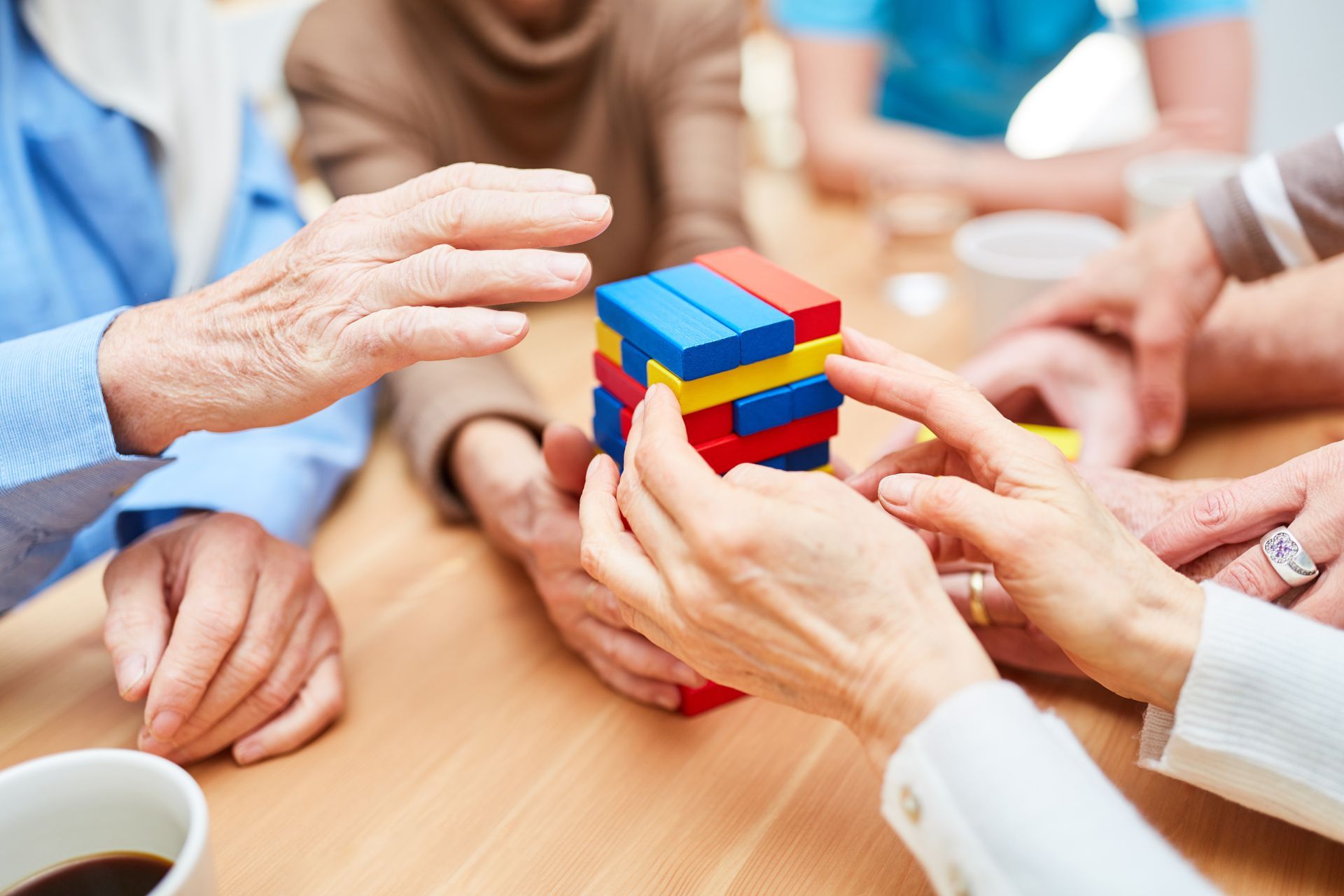
Isolation and boredom can take a real toll on a senior's emotional and mental health. Anew Care Living provides social, recreational, and spiritual activities in West Hills, CA, giving clients meaningful ways to stay engaged, connected, and fulfilled throughout their day. Our caregivers take time to understand each client's interests, hobbies, and beliefs so activities feel personal rather than generic. Social, recreational, and spiritual activities are built into daily care rather than treated as optional extras, because consistent engagement supports cognitive health, emotional stability, and overall quality of life. West Hills families appreciate knowing their loved one's days include more than just basic care tasks.
Ask Anew Care Living how activities are personalized for each client.
What Social, Recreational, and Spiritual Activities Include
Social, recreational, and spiritual activities cover a wide range of engagement options tailored to each client's abilities and interests. This might include conversation and companionship, hobby-based activities, light physical recreation, or spiritual practices important to the client's faith and personal beliefs.
Companionship and Conversation
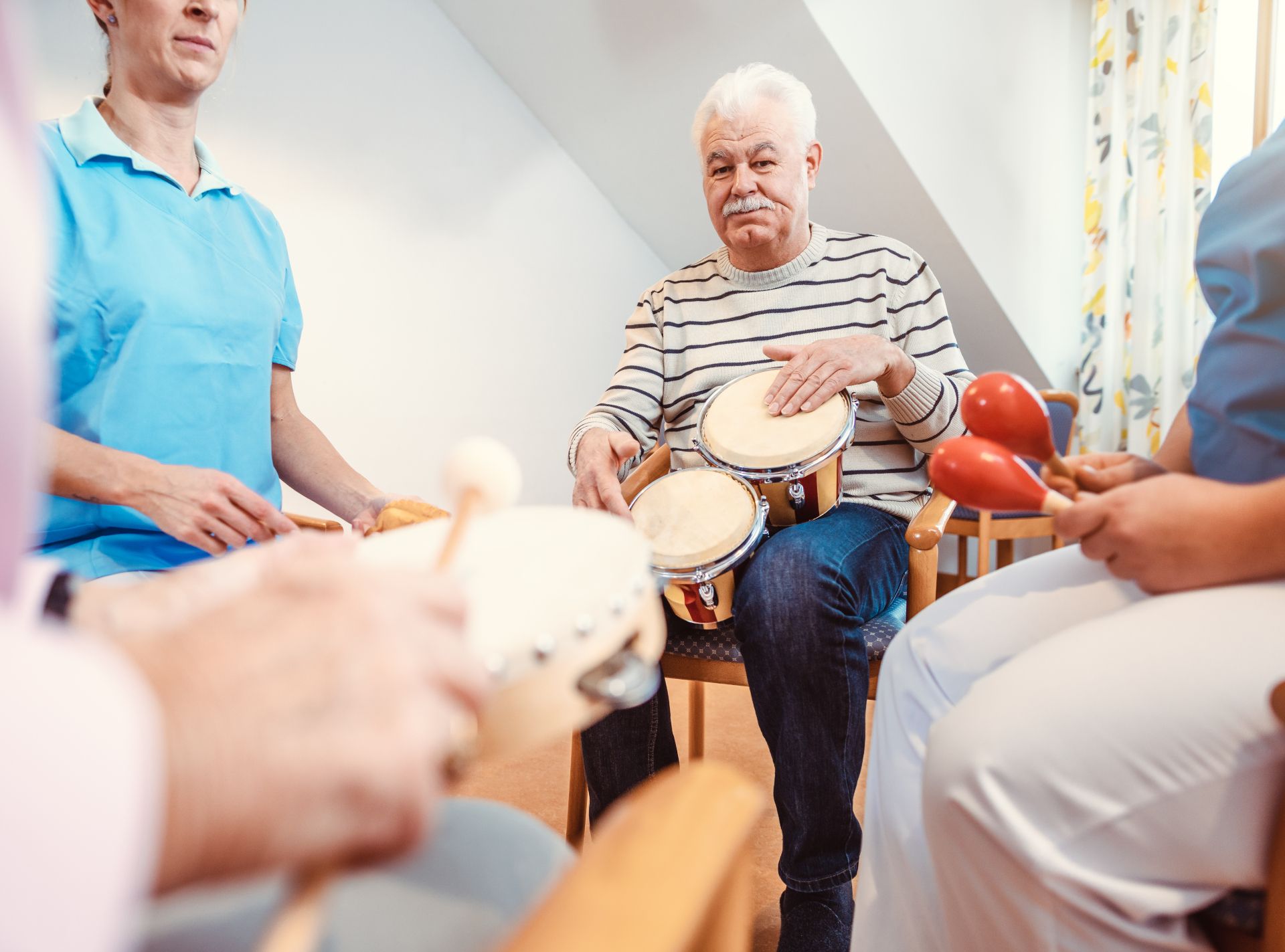
Caregivers engage clients in meaningful conversation, reminiscing, and social interaction that helps combat loneliness and isolation.
Hobby and Recreational Engagement
This includes activities like puzzles, games, gardening, music, or arts and crafts based on what the client genuinely enjoys.
Spiritual and Religious Practices
Caregivers support clients in maintaining spiritual routines, including prayer, reading religious texts, or attending services when possible.
How Activities Are Personalized for Each Client
Social, recreational, and spiritual activities are built around a detailed understanding of each client's background, interests, and abilities. Caregivers adjust activities as a client's physical or cognitive abilities change over time.
Adapting Activities to Cognitive Ability
For clients with memory-related conditions, activities are simplified and structured to reduce frustration while still providing meaningful engagement.
Respecting Personal Beliefs and Traditions
Spiritual and cultural practices are honored and incorporated into daily routines according to each client's individual faith and traditions.
Coordination with outside healthcare providers reduces the risk of miscommunication that can lead to conflicting treatment plans or missed follow-up care. West Hills clients managing multiple conditions often see a primary care physician along with specialists like cardiologists, neurologists, or physical therapists. Without coordination, important details can get lost between visits.
Anew Care Living caregivers act as an extra set of eyes and ears, noticing changes in a client's condition that might not come up during a brief appointment but are important for a physician to know.
Request coordinated care support for an upcoming medical appointment.
Why Social and Recreational Engagement Matters for Seniors
Social, recreational, and spiritual activities directly influence a senior's mental health and cognitive function. Isolation has been linked to increased risk of depression and cognitive decline, making regular engagement an important part of any comprehensive care plan for West Hills clients.
Anew Care Living caregivers pay attention to what genuinely brings a client joy, whether that's discussing family history, listening to favorite music, or maintaining a longtime spiritual practice, rather than offering generic activities that don't reflect the client's personality.
Setting up coordination with outside healthcare providers begins with identifying all current physicians, specialists, and healthcare services involved in a client's care. Anew Care Living then establishes a communication process to keep everyone informed and aligned.
Contact Anew Care Living to coordinate care with your loved one's providers.
Setting up three nutritious, home-cooked meals daily, plus snacks, begins with a discussion about dietary needs, restrictions, and preferences. Anew Care Living then builds a personalized meal rotation that caregivers prepare fresh each day.
Contact Anew Care Living to arrange meal planning for a loved one in West Hills.
Getting Started with Social and Recreational Activities in West Hills
Setting up social, recreational, and spiritual activities begins with a conversation about the client's interests, hobbies, and spiritual beliefs. Anew Care Living then incorporates these elements into the caregiver's daily routine with the client.
Contact Anew Care Living to build an engagement plan for a loved one in West Hills.
Frequently Asked Questions
What are examples of social and recreational activities for seniors?
Examples include conversation, reminiscing, puzzles, music, gardening, arts and crafts, and other hobby- based engagement tailored to the client.
How do spiritual activities fit into daily senior care?
Caregivers support clients in maintaining spiritual routines such as prayer, reading religious texts, or attending services based on personal faith.
Why is social engagement important for seniors' mental health?
Regular social interaction helps reduce the risk of depression, loneliness, and cognitive decline associated with isolation in older adults.
Can activities be adjusted for clients with dementia?
Yes. Activities are simplified and structured for clients with memory-related conditions to reduce frustration while still providing engagement.
Do caregivers accompany clients to religious services?
Yes. Caregivers can support attendance at religious services when a client wishes to continue this part of their routine.
How are activities personalized for each client?
Caregivers learn about each client's hobbies, interests, and background to tailor activities that feel meaningful rather than generic.
Can recreational activities help with physical health too?
Yes. Light recreational activities like gardening or gentle movement-based hobbies can support physical health alongside emotional well-being.
Is companionship considered part of recreational activities?
Yes. Meaningful conversation and companionship are a core part of social engagement and directly support emotional wellness.
How often are social and recreational activities included in care?
Activities are typically incorporated into each caregiver visit rather than scheduled separately, keeping engagement consistent throughout the week.
Can spiritual practices be included even if a client can no longer attend services in person?
Yes. Caregivers can support at-home spiritual practices such as prayer or reading religious texts when attending services isn't possible.
Do social activities help reduce behavioral issues in dementia care?
Yes. Structured, familiar activities can help reduce agitation and behavioral challenges often associated with dementia by providing purposeful engagement.