Safe Mobility and Transferring Assistance in West Hills, CA

Falls are one of the leading causes of injury among seniors, and many happen during simple movements like standing up from a chair or getting out of bed. Anew Care Living provides mobility and transferring assistance in West Hills, CA, helping clients move safely throughout their home while reducing the risk of falls. Our caregivers are trained in proper body mechanics and transfer techniques to protect both the client and themselves during every movement. Mobility and transferring assistance is often needed after a surgery, stroke, or as part of managing a progressive condition like Parkinson's disease or arthritis. Families in West Hills rely on Anew Care Living to provide steady, attentive support during transfers that would otherwise put a loved one at risk.


Schedule a mobility safety assessment with Anew Care Living.

Anew Care Living pairs clients with caregivers based on the specific type of assistance with activities of daily living required, not just availability. A client who needs grooming help due to arthritis has different requirements than someone who needs bathing assistance following a stroke. Our scheduling team factors in gender preference for personal care, language needs, and any behavioral considerations tied to cognitive conditions.

How Caregivers Are Matched to ADL Needs

  • Continuity of Care

    Clients are matched with a consistent caregiver whenever possible, since routines around dressing and bathing are easier to manage with a familiar face.

  • Communication with Families

    Daily notes and care updates are shared with family members so everyone stays informed about changes in mobility, appetite, or mood that might affect ADL support.

What Mobility and Transferring Assistance Includes

Mobility and transferring assistance covers the physical support clients need to move between positions safely, whether that's getting out of bed, moving from a wheelchair to a chair, or walking short distances around the home. Caregivers assess each client's strength, balance, and specific mobility limitations before determining the right level of support.

  • Bed and Chair Transfers

    Caregivers assist with safely moving between a bed, chair, or wheelchair, using proper positioning and support to prevent strain or falls.

  • Walking Support

    This includes steadying a client during walking, assisting with a walker or cane, and providing guidance on uneven surfaces or stairs.

  • Positioning Assistance

    For clients who spend extended time in bed or a chair, caregivers help with repositioning to prevent discomfort and pressure-related skin issues.

How Caregivers Are Trained for Safe Transfers

Mobility and transferring assistance requires specific technique, not just physical strength. Caregivers are trained in body mechanics that protect the client's joints and skin during transfers, as well as techniques for clients who may resist or become anxious during movement due to cognitive conditions.

  • Equipment-Assisted Transfers

    For clients using gait belts, sliding boards, or mechanical lifts, caregivers are trained to operate this equipment safely and confidently.

  • Adapting to Changing Needs

    Mobility levels can decline gradually or suddenly, and caregivers adjust transfer techniques as a client's condition changes over time.

Why Mobility Assistance Matters for Aging in Place

Mobility and transferring assistance allows West Hills clients to remain in their own homes rather than moving to a facility due to fall risk. A single fall can lead to a hip fracture or head injury that dramatically changes a person's independence, which is why proactive mobility support is often one of the most important services a family can put in place.


Anew Care Living caregivers pay close attention to environmental factors that contribute to fall risk, such as loose rugs, poor lighting, or cluttered walkways, and communicate these observations to families so adjustments can be made.


Ask about in-home fall prevention alongside mobility assistance.

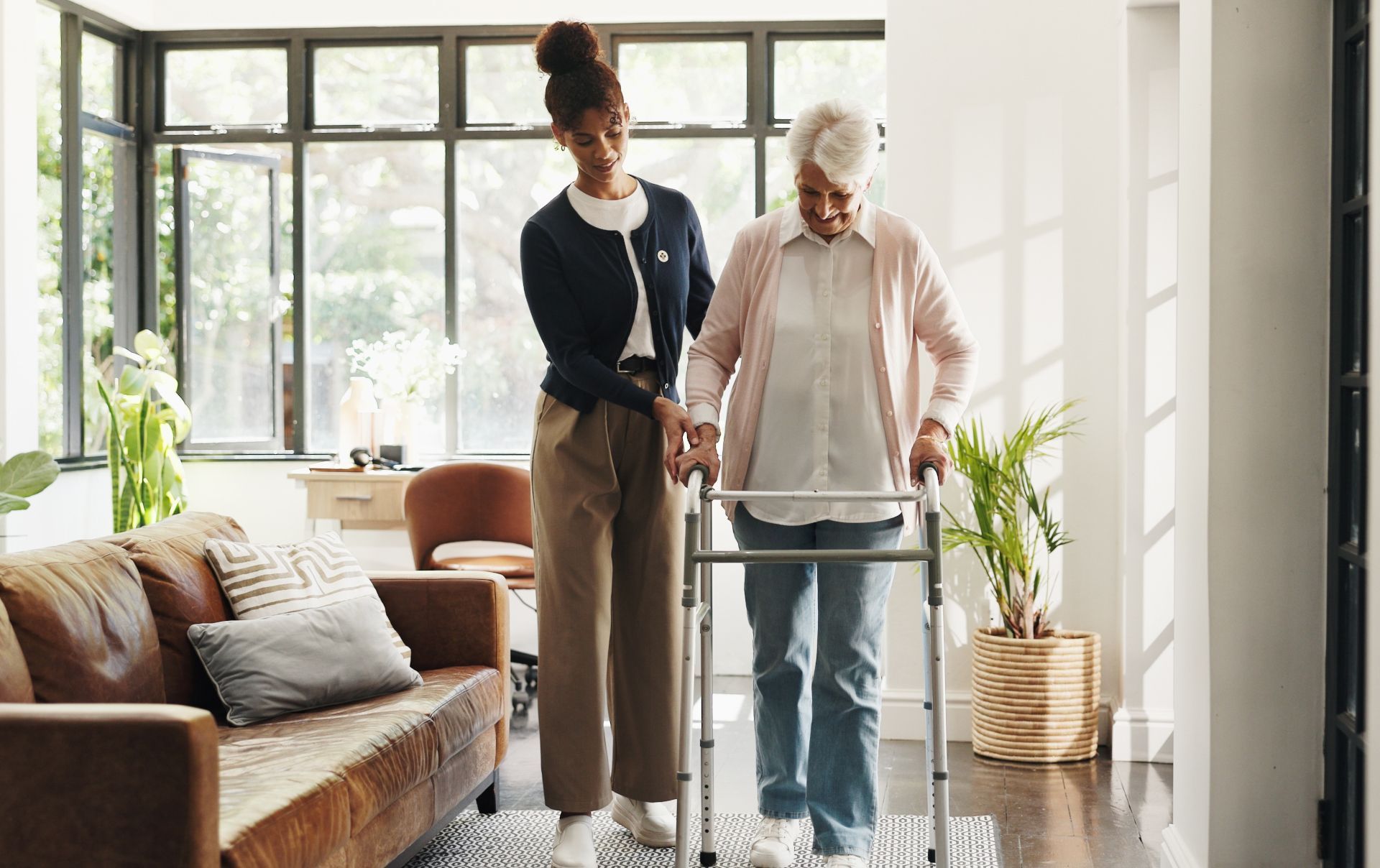
Caregiver assisting elderly woman with walker in a bright living room
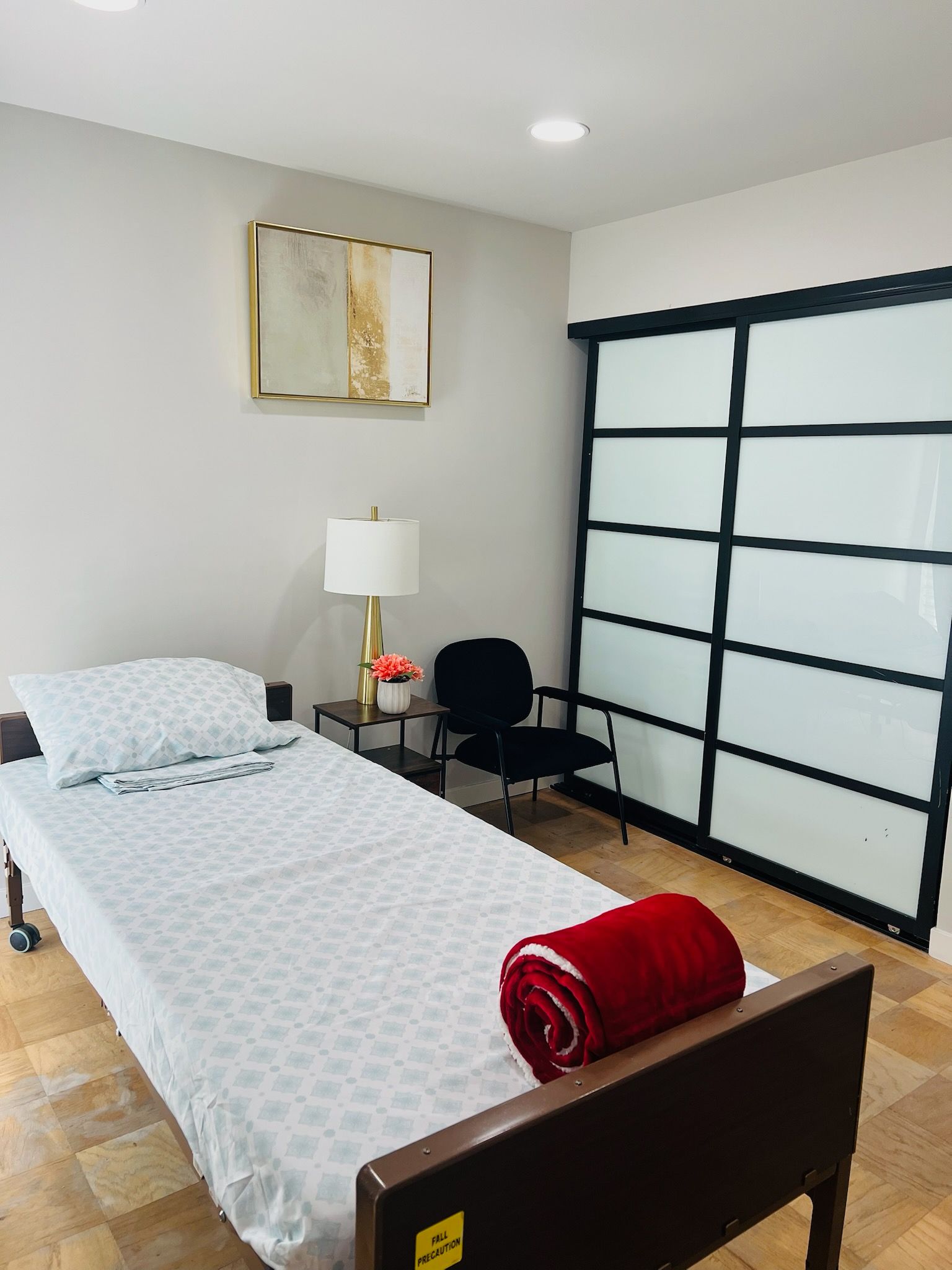
Minimal bedroom with single bed, desk lamp, chair, and black sliding closet doors

Getting Started with Mobility Assistance in West Hills

Starting mobility and transferring assistance begins with an in-home evaluation of the client's current mobility level, home layout, and any equipment already in use. From there, Anew Care Living builds a transfer plan that caregivers follow consistently to keep the client safe. Contact Anew Care Living to arrange mobility support in West Hills.

Frequently Asked Questions

  • What is mobility and transferring assistance?

    It's hands-on support to help clients move safely between positions, such as bed to chair transfers, standing assistance, and walking support.

  • When is mobility assistance typically needed?

    It's often needed after surgery, a stroke, or a fall, or for clients managing progressive conditions like Parkinson's disease or advanced arthritis.

  • Can caregivers help with wheelchair transfers?

    Yes. Caregivers are trained in safe wheelchair-to-chair and wheelchair-to-bed transfers using proper positioning and support techniques.

  • How does mobility assistance help prevent falls?

    Caregivers provide steady physical support during movement and monitor the home environment for hazards that increase fall risk.

  • Do caregivers use equipment like gait belts or lifts?

    Yes. Caregivers are trained to use gait belts, sliding boards, and mechanical lifts when needed for safe transfers.

  • Can mobility assistance help clients with Parkinson's disease?

    Yes. Caregivers adapt transfer techniques to accommodate tremors, balance issues, and freezing episodes common with Parkinson's disease.

  • What if my loved one resists help during transfers?

    Caregivers use calm, reassuring communication and consistent routines to reduce anxiety and encourage cooperation during transfers.

  • Is mobility assistance available for clients recovering from surgery?

    Yes. Post-surgical clients often need temporary mobility assistance while regaining strength and confidence with movement.

  • How is a mobility care plan created?

    An in-home assessment evaluates the client's current mobility level and home layout before a personalized transfer plan is developed.

  • Can mobility assistance include repositioning in bed?

    Yes. Caregivers help reposition clients who spend extended time in bed to prevent discomfort and skin breakdown.

  • Does mobility assistance reduce the need for facility care?

    For many families, consistent mobility and transferring assistance allows a loved one to safely remain at home rather than moving to a care facility.